Turin
Discover
Turin
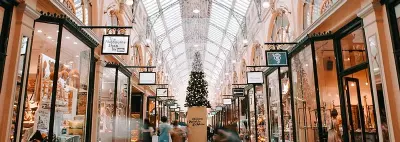
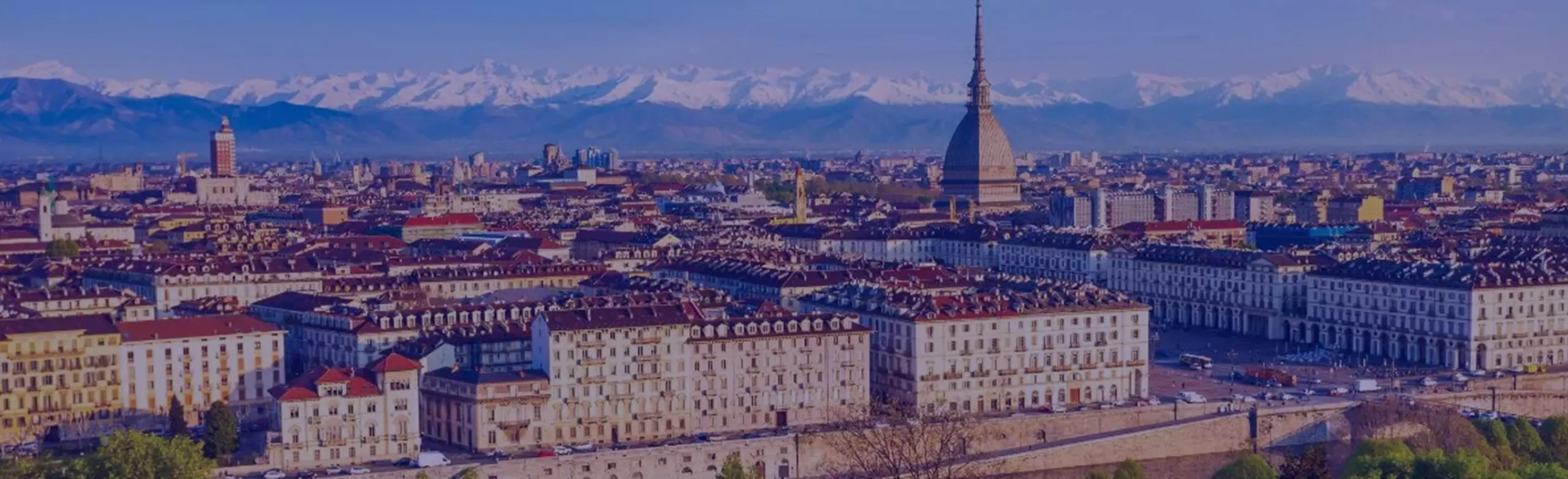
Turin is a city in northwestern Italy, located on the Po River at the foot of the Alps in the Piedmont region. It has a population of about 870,000 people and covers an area of approximately 130 sq/km (50 sq/mi). The city was founded as the Roman settlement Augusta Taurinorum in 28 BC, became the capital of the Duchy of Savoy in 1563, and served as the first capital of unified Italy in 1861. Turin is famous for its elegant baroque architecture, wide boulevards, and arcaded streets. Major attractions include the Mole Antonelliana, the Turin Cathedral housing the Shroud of Turin, and Piazza Castello. Via Roma is the main shopping street, connecting the historic center with modern commercial areas. Important museums include the Egyptian Museum, one of the most significant of its kind in the world, and the National Cinema Museum. The city is also known for royal palaces and historic squares that reflect its former political importance. Local cuisine features Piedmont specialties such as agnolotti pasta, bagna cauda, gianduja chocolate, truffles, and fine regional wines.
https://turismotorino.org/en




Langhe
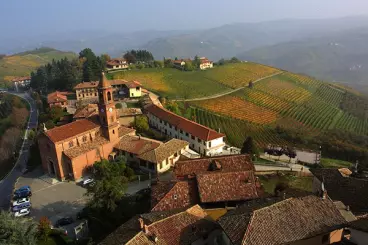
Langhe is a scenic hilly region in northwestern Italy covering an area of about 3,000 sq/km (1,160 sq/mi). Its history dates back to Roman times, but the region developed strongly in the Middle Ages through agriculture and viticulture. Langhe is world-famous for producing prestigious wines such as Barolo and Barbaresco and for its white truffles from Alba. A unique feature of Langhe is its cultural landscape shaped by centuries of winemaking, which earned it UNESCO World Heritage status. https://langhe.net/en/visit/
Car: 90 km (56mi), 1 h 15 min
Train: 1h
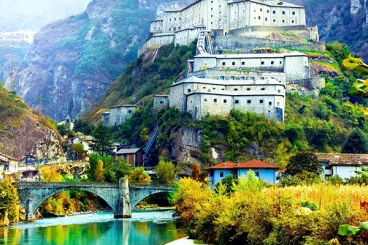
Aosta
Aosta is a small alpine city in northwestern Italy with a population of about 34,000 people and an area of approximately 21 sq/km (8 sq/mi). It was founded by the Romans in 25 BC as Augusta Praetoria and became an important military and trade center in the Alps. During the Middle Ages, Aosta developed as a regional capital, and in 1948 it became part of Italy’s autonomous Aosta Valley region. Aosta is unique for its exceptionally well-preserved Roman monuments set against dramatic mountain scenery near Mont Blanc. https://www.lovevda.it/en/database/3/tourist-resorts/aosta-valley/aosta/362
Car: 115km (71mi), 1h 25 mins
Bus: 1h 30 mins
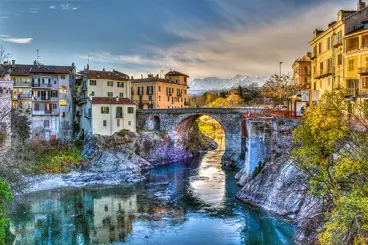
Ivrea
Ivrea is a town in northwestern Italy with a population of about 23,000 people. Its history dates back to Roman times, when it was founded as Eporedia in 100 BC. Ivrea gained modern importance in 1908, when the Olivetti company began transforming it into a model industrial city, and in 2018 its industrial architecture was inscribed on the UNESCO World Heritage List. A major attraction is the lively Battle of the Oranges during the annual carnival, making Ivrea famous for its unique mix of history, culture, and entertainment. https://www.italia.it/en/piedmont/ivrea/things-to-do/ivrea-industrial-city
Car: 53km (33mi), 49 mins
Bus: 1h 09 mins